• Some users have recently had their accounts hijacked. It seems that the now defunct EVGA forums might have compromised your password there and seems many are using the same PW here. We would suggest you UPDATE YOUR PASSWORD and TURN ON 2FA for your account here to further secure it. None of the compromised accounts had 2FA turned on.
    Once you have enabled 2FA, your account will be updated soon to show a badge, letting other members know that you use 2FA to protect your account. This should be beneficial for everyone that uses FSFT.

Two hundred and forty-seven zeptoseconds, with some wiggle room

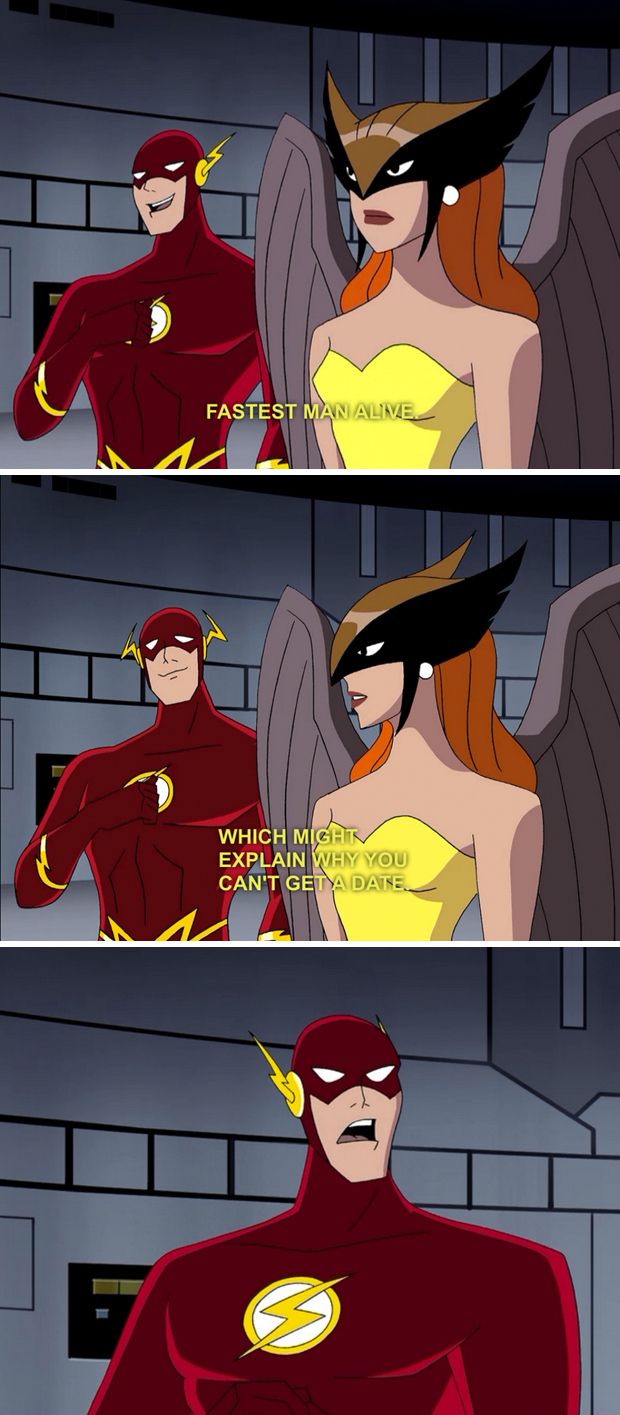
t-Get-a-Date-In-The-Justice-League-Animated-Series.jpg
 
"This accuracy is a huge leap from the 1999 Nobel Prize-winning work that first measured time in femtoseconds, which are millionths of a billionths of seconds."

The journalist forgot to mention that attochemistry has existed for a while. This work is an advance, but not a huge leap.

The original article

https://science.sciencemag.org/content/370/6514/339
Must have used an AMD processor then?
 
"This accuracy is a huge leap from the 1999 Nobel Prize-winning work that first measured time in femtoseconds, which are millionths of a billionths of seconds."

The journalist forgot to mention that attochemistry has existed for a while. This work is an advance, but not a huge leap.

The original article

https://science.sciencemag.org/content/370/6514/339

So you're saying six orders of magnitude isn't a huge leap? Really? (Technically it's 4 orders give or take, but still)
 
So you're saying six orders of magnitude isn't a huge leap? Really? (Technically it's 4 orders give or take, but still)
Going from ~50 attoseconds to ~250 zettoseconds is neither six orders of magnitude nor four. As I mentioned above, the journalist goes directly from 1999's groundbreaking work to this one, ignoring the research made in the last decades.
 
Back
Top