• Some users have recently had their accounts hijacked. It seems that the now defunct EVGA forums might have compromised your password there and seems many are using the same PW here. We would suggest you UPDATE YOUR PASSWORD and TURN ON 2FA for your account here to further secure it. None of the compromised accounts had 2FA turned on.
    Once you have enabled 2FA, your account will be updated soon to show a badge, letting other members know that you use 2FA to protect your account. This should be beneficial for everyone that uses FSFT.

Starter Add-on Flash for D-60

turb0

Gawd
Joined
Aug 20, 2004
Messages
636
I bought my wife a D-60 about 6 months ago and I've been learning slowly with her how to really get use to the camera and use the features of it so it's not just a really fancy Point-and-Shoot camera anymore.

We have the starter 18-55mm lens and D-60 body. I'd like to kick the photography up a small notch and get a better flash for her for Valentine's day if possible and wanted to get your'alls feedback and what would be a good starter/learning flash to add to our upcoming growning bag of tricks in the camera bag.

I do have my eyes on that 55-200mm Nikkor lens down the road at B&H.com.....

TIA.
 
I'd recommend no less than SB600. I have the 600 and 900, and the controls on 900 are so much easier to use, the price difference is more than justified IMO. If you can find an SB800 used, jump on it! Those are supposed to be really great flashes, but they're discontinued now.

The SB400 is a tiny little unit with very little flexibility - you may want to go ahead and pick one up, but keep in mind that you will outgrow it very quickly if you're doing any advanced lighting at all.

The two main things you need to be able to adjust on a flash gun are the flash power and width of the beam. The flash power adjusts the amount of time the light stays on: at full power, the flash stays on for around 1/2000 of a second (iirc), and it gets divided from there. So a flash at 1/16th power would be 1/32000 of a second. These high speeds are useful for freezing fast moving objects. Make sure the flash you get has adjustable power, as this is essential for being able to get correct exposure in your photos.

The angle of the beam is measured in mm like a camera lens. The SB900 goes all the way down to 200mm - it has a very long flash head, and can draw the light element back into the head to make sort of a spot-light effect. The SB600 only goes down to 85mm, so if you want a more restricted lighted area, you'll have to build your own snoot out of cardboard or aluminum foil to make it work. From the pics I've seen, the SB400 does not have any adjustability to the light beam - you're probably permanently stuck at around 35mm.

Last thing you need to consider is how the flash hooks up to the camera – do you want to be able to use it for off-camera lighting? The SB900 has PC-Cable plugs on it, so it can plug directly into pro-camera pc-sockets - this also makes it easier to use with many wireless flash units. The SB600 doesn't have those plugs, so you have to put it on a hot-shoe adapter to plug it in (kindof a pain). If you want to use the Nikon infra-red wireless system, you need to set the flash to Remote mode, which is very easy on SB900 (built into the power-switch), but requires a lot of digging through menus on the SB600. I'm guessing the SB400 doesn't do either of those things very well.

Hope that was some useful info.
 
thanks for the responses all.

I think we'll go with the SB-600 for now. I found 1 on craigslist for $100. I'll have it checked out fully and try to read the manual online prior to purchasing just to make sure the unit is working and doesn't have any issues.

madFive... thanks for the remote firing info. I do want to eventually use the flash on a stand to do portraits and whatnot at home so this might come in handy.

this is going to be a slow learning process for us, but it's something we can do together and enjoy.

thanks again for all the info and advice!
 
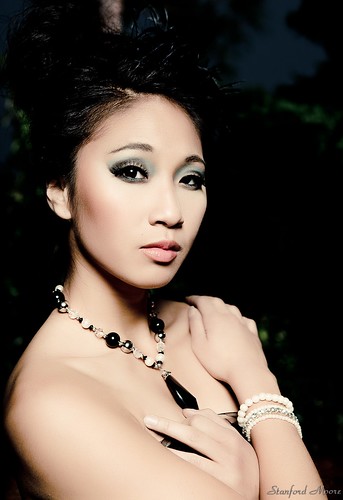
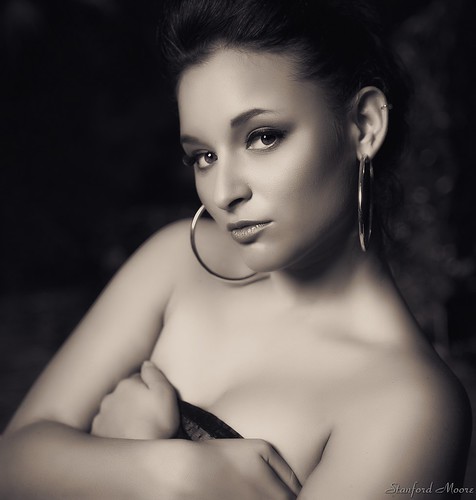
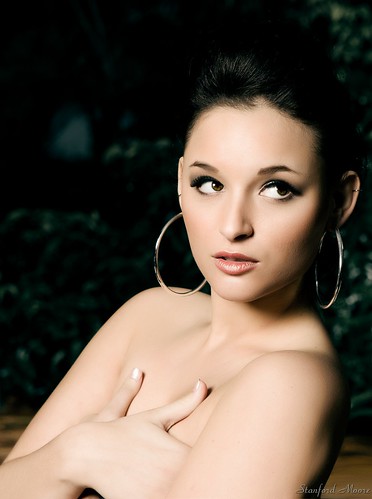
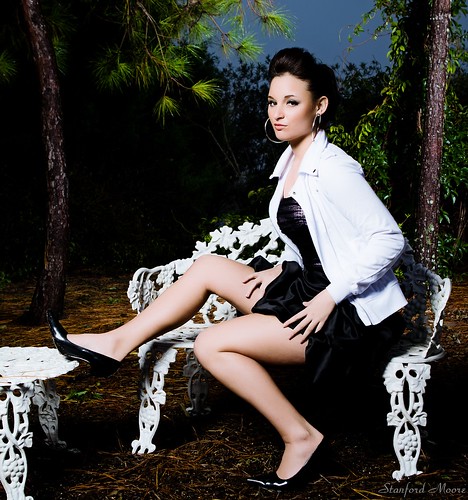
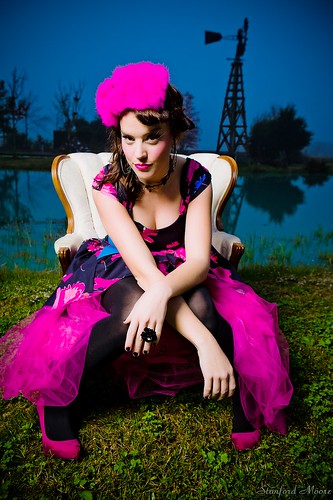
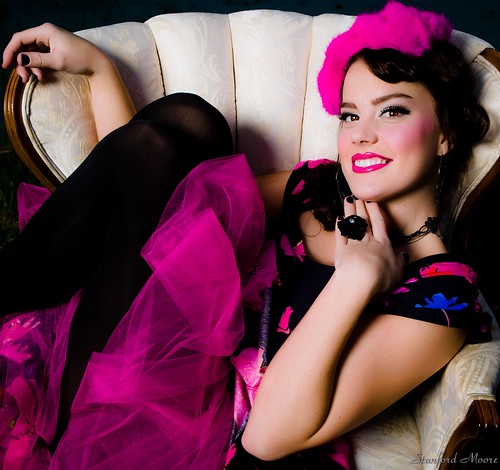
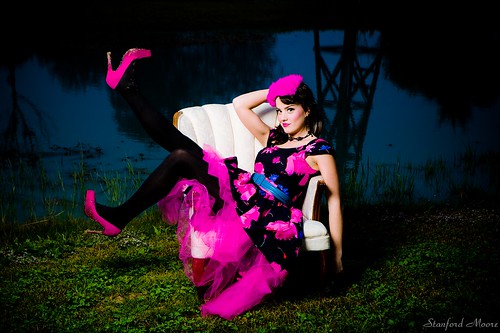
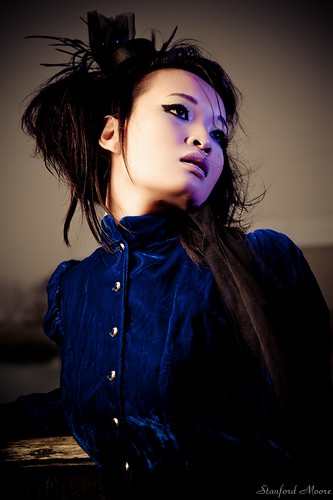
haha - awesome shots DT! But kindof looks like you're in the wrong thread...

Your lighting setup doesn't count as a starter add-on flash. ;)
 
LOL

I just picked up an sb-600. So far the flash has improved my ebay product shooting dramatically! some points:

1) I'm OCD about stuff like this but the plastic used on the sb600 and likely other Nikon flashes is really cheap; it will hold up over time but to give an example the clear plastic on the display scratches from being stored in the included pouch
2) At first I shot with only the diffuser screen down and noticed it was really hard to not get the bright spot in my shots; I ended up bouncing the flash behind my head ~ how the heck do I avoid this?
3) Also recently purchased the omnibounce diffuser; haven't had the chance to see if it helps much with point 2

Overall the sb600 is great; try to get one used for a ood price if you can. I bought mine new; our Craigslist here is full of d-bags who ask near full retail and who don't return phone calls OR who don't provide phone#'s at all.
 
1) I'm OCD about stuff like this but the plastic used on the sb600 and likely other Nikon flashes is really cheap; it will hold up over time but to give an example the clear plastic on the display scratches from being stored in the included pouch

Yeah, Nikon flashes are just plastic (at least all the ones I've seen), so you have to treat them with care. They are a little sturdier than they look, though. My SB900 once fall about 8 feet off a light-stand onto a thin-carpeted concrete floor, and it's no worse for wear. I haven't noticed too much scratching either - sounds like you might have some sand or something in your bag.

2) At first I shot with only the diffuser screen down and noticed it was really hard to not get the bright spot in my shots; I ended up bouncing the flash behind my head ~ how the heck do I avoid this?

The flip-down/clip-on diffusers do almost nothing at all. The only thing they're supposed to do is spread the beam out a little in case you're shooting with a really wide lens. They won't do anything to soften the light, since they're not making the light source any bigger in relation to your subject.

To really get the kind of soft wrap-around light you need for most studio photography, you need to get the flash off-camera and shoot it through some larger diffusing materials (lots of ways to do this, depending on the size of your subject). Or bounce it off a large sheet of paper or a wall etc that is close to the subject.

I'd highly recommend going through the Lighting 101 and 102 courses on The Strobist. You will learn a ton about improving your lighting techniques with fairly minimal investment.

Also, you should look into building a product box to shoot your for-sale items. This is a really great way to make them look like a million bucks while spending next to nothing.

3) Also recently purchased the omnibounce diffuser; haven't had the chance to see if it helps much with point 2

This attachment will help a little; but again, isn't going to make a big difference if your subjects are much larger than the diffuser itself.

There are some pretty cool on-camera diffusers you can get that will soften your light up a little, and hopefully at least make the reflections from your flash look a little cooler. I recently picked up a really cheap ring-light attachment for my SB900 that can achieve some pretty cool effects.

You'd probably still be better off setting up your flash off-camera and using some large sheets of paper for diffusing/bouncing.
 
As an Amazon Associate, HardForum may earn from qualifying purchases.
i still haven't found a nice used 600 yet. Craigslist has been lame the past month or so.....

I'm still on the hunt and now want to get that ring-light for my D60 too!!! lol!
 
Back
Top